
Marketing agencies constantly face challenges in optimizing processes, improving client communication, and boosting results. A key solution to achieving these goals is implementing API (Application Programming Interface) integrations. In this article, we’ll explore what APIs are, how they work, and why they’re essential for marketing agencies. Additionally, we’ll share best practices and practical examples to help your agency fully leverage these tools.
What is an API and How Does it Work?
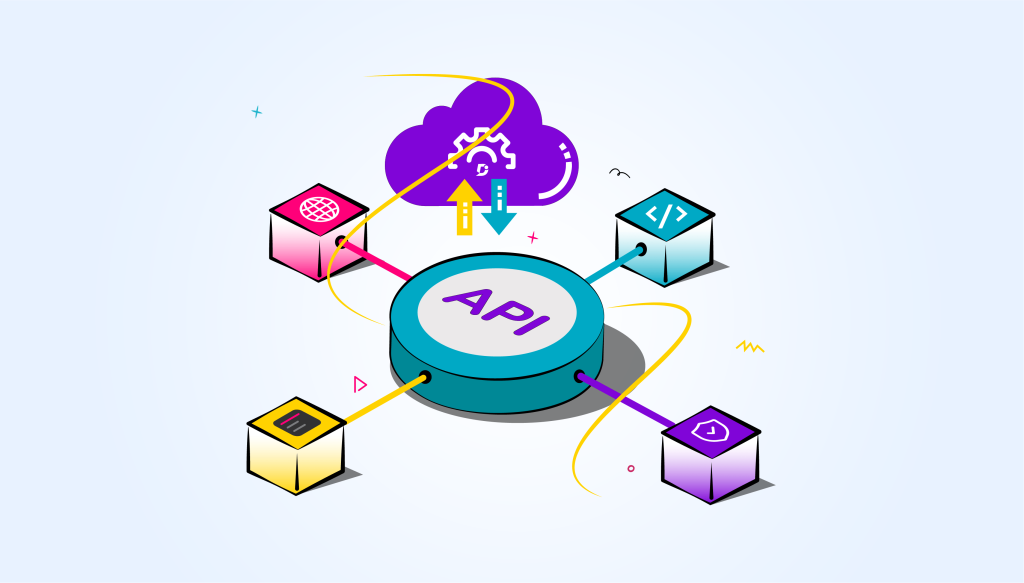
An API is a set of definitions and protocols that allows different applications to communicate with each other. Simply put, it’s a bridge connecting software, facilitating data and function exchange. For instance, when you use a social media management system to schedule posts, it connects to platforms like Facebook or Instagram via their APIs.
Benefits of APIs for Marketing Agencies
Automation of repetitive tasks: APIs enable tool integration to automate tasks such as post scheduling, data analysis, and campaign tracking.
Real-time data access: They provide up-to-date information about campaign performance.
Scalability: By integrating solutions through APIs, agencies can adapt to their clients’ changing needs.
Improved client experience: Offering detailed and personalized reports becomes easier with interconnected tools.
Main Types of APIs for Marketing
Social Media APIs
Platforms like Facebook, Instagram, Twitter, and LinkedIn offer APIs for:
Scheduling posts.
Retrieving detailed performance analytics.
Managing comments and messages.
Marketing Automation APIs
Tools like HubSpot and Mailchimp provide APIs to:
Create automated workflows.
Send personalized emails.
Segment audiences.
Data Analytics APIs
Google Analytics and other tools offer APIs for:
Gathering user behavior data.
Integrating information into custom dashboards.
Generating detailed reports.
E-commerce APIs
Platforms like Shopify and WooCommerce include APIs for:
Managing inventory.
Processing payments.
Integrating marketing strategies directly with online stores.
Best Practices for Implementing APIs in Your Agency
Identify Your Agency’s and Clients’ Needs Before integrating any API, analyze which processes you want to optimize and the tools you already use. This will help you select the most relevant APIs.
Choose Compatible Tools Ensure the tools you use are compatible with the available APIs and can be easily integrated.
Documentation Carefully review the API documentation, including understanding endpoints, usage limits, and required security measures.
Testing and Monitoring Conduct tests before deploying the API in a production environment. Once active, monitor its performance to detect potential errors or inefficiencies.
Security Implement security measures such as token authentication and data encryption to protect client information.
Practical Examples of API Use in Marketing Agencies
Example 1: Google Analytics Integration with Custom Dashboards
An agency can use the Google Analytics API to extract data and present it in a custom dashboard, making key information more accessible for clients.
Example 2: Email Automation
By connecting Mailchimp with an e-commerce API, agencies can automatically send personalized emails based on customers’ previous purchases.
Example 3: Social Media Management
Using the Instagram API, an agency can schedule posts, respond to comments, and analyze campaign performance directly from their management tool.
Common Challenges in API Implementation
Compatibility: Not all tools work seamlessly together, which can create conflicts.
Usage Limits: Many APIs have restrictions on the number of calls you can make within a specific timeframe.
Learning Curve: The initial setup can be technical and require specialized knowledge.
In Conclusion
API integrations are a powerful tool that can transform how marketing agencies operate. From process automation to enhanced client experiences, the possibilities are endless. By following best practices and choosing the right APIs, your agency can boost efficiency, deliver better services, and stand out in the competitive marketing world.